SPOTLIGHT

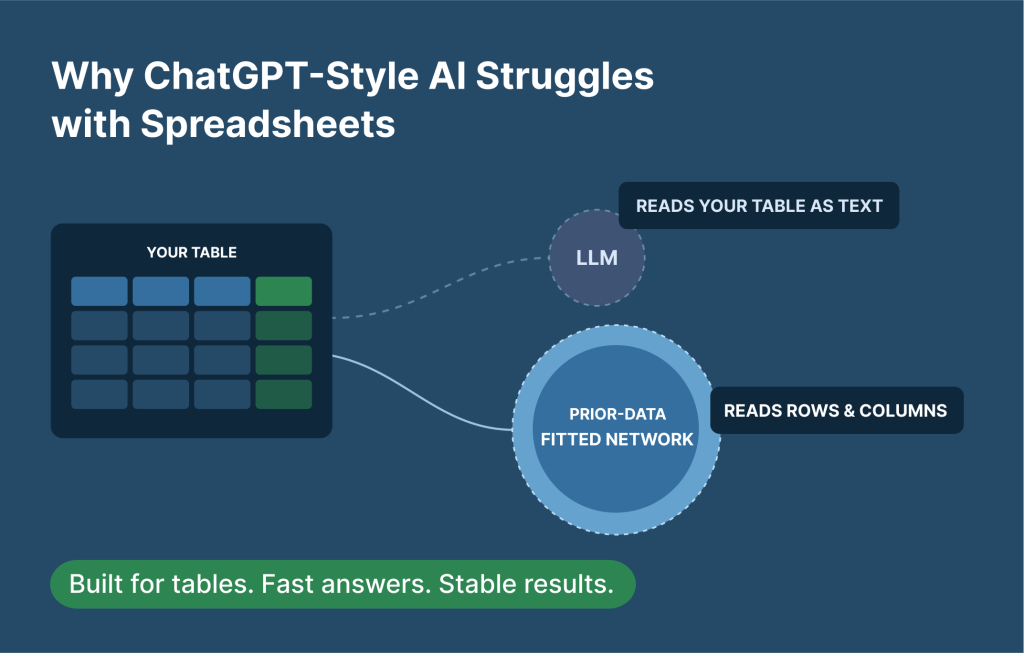
LLMs taught us something useful: knowing language isn't the same as learning from data. They can read a table, but as columns grow they struggle, their wins on famous datasets are often memory, and harmless changes shift their answers. PFNs were built for exactly the job LLMs find hard. They practise on endless synthetic tables until learning from a table is second nature, and it shows: top accuracy on small-to-medium datasets, answers in seconds, and results that stay put. The lesson is simple: use LLMs for words and code, and use PFNs like TabPFN when you need predictions from tables.

Blogs

Digitizing Intuition with SME-Agents

Over the past decade, leaders, industries, and vendors have championed the shift to data-driven decision-making. Yet the reality remains: data is NEVER complete. Even with

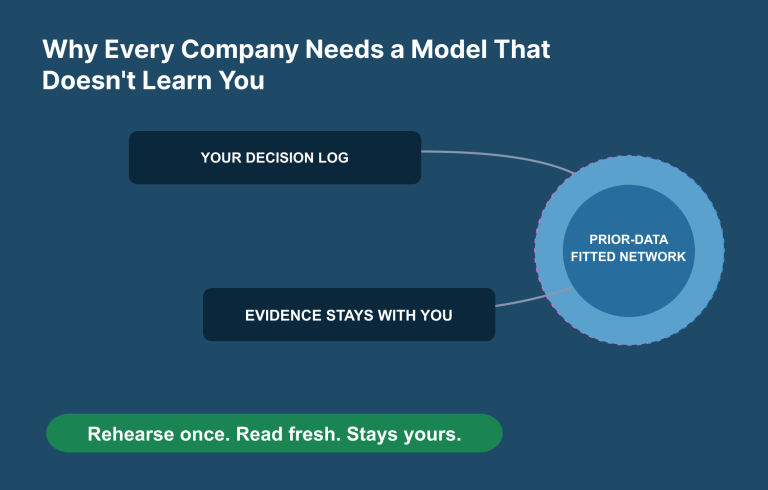
Building on Satya Nadella’s The Reverse Information Paradox (July 2026), and on the tabular foundation model work of Prior Labs (TabPFN). The paradox and the exhaust framing are

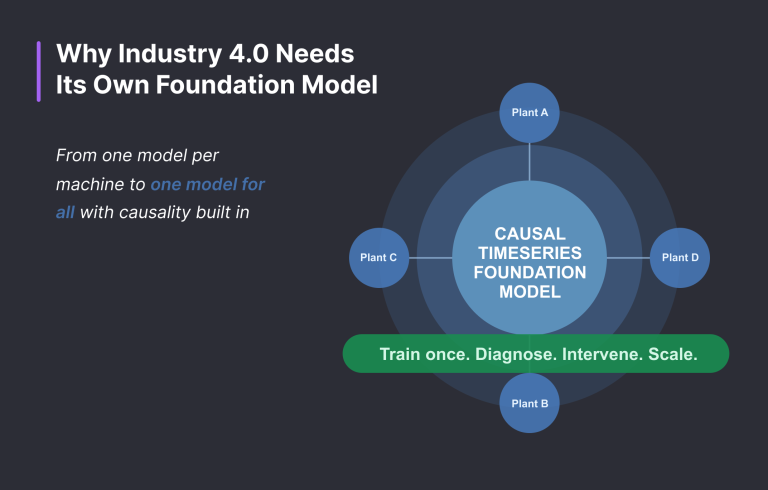
Every AI model in your factory is already obsolete. Here’s why and what the next generation of industrial foundation models looks like.
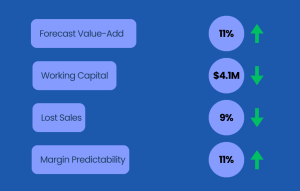
Andrew’s story shows that better dashboards don’t guarantee better decisions. ProfitOps helped him go beyond siloed KPIs to orchestrated, value-driven planning. The result? Smarter trade-offs, fewer misses, and
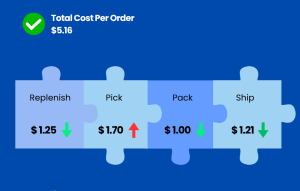
Now, with BVI continuously monitoring trade-offs and recommending system-wide improvements, Rick doesn’t have to babysit every module. “He now has an integrated real-time adaptive decision layer.” And he’s
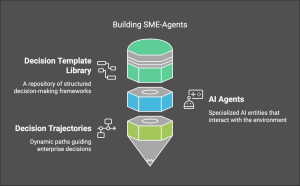
Over the past decade, leaders, industries, and vendors have championed the shift to data-driven decision-making. Yet the reality remains: data is NEVER complete. Even with advanced analytics and
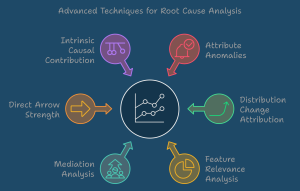
In our previous post, we explored how Root Cause Analysis (RCA) can transform warehouse operations by pinpointing inefficiencies and reducing costly errors. Now, it's time to pull back
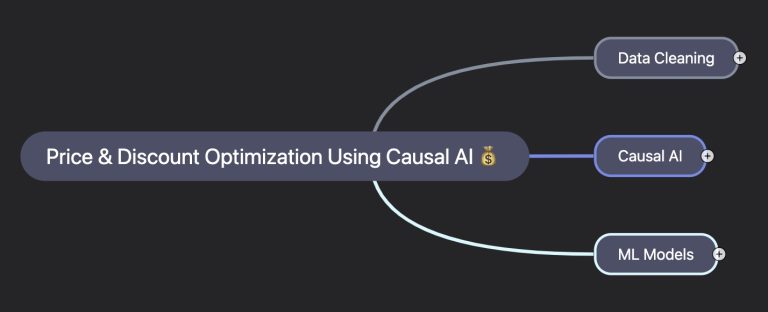
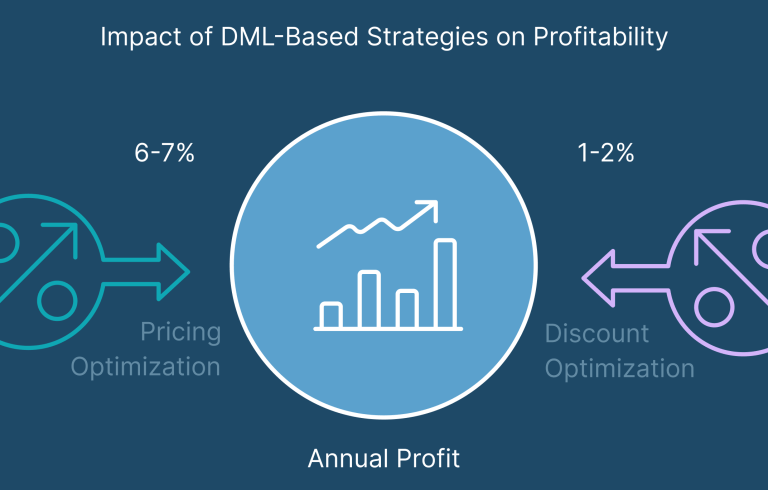
In our previous blog post, "Evidence-Based Decision Making: Revolutionizing Pricing and Discount Strategies with Causal AI," we explored how businesses can leverage Causal AI to optimize their pricing
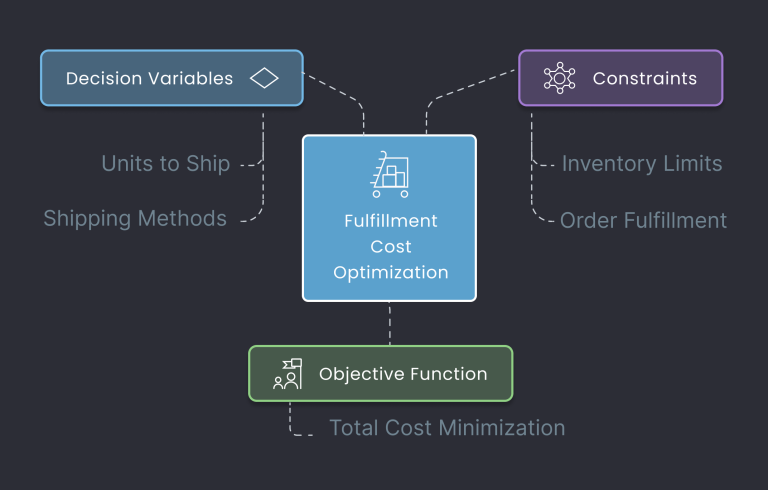
In today’s competitive supply chain landscape, minimizing fulfillment costs is crucial. This blog explores how fulfillment cost optimization can be achieved using linear programming with tools like Google
In today’s fast-paced industries, especially in complex environments like warehouse management, it’s critical to understand how different factors influence key outcomes. For example, in a warehouse setting, packages
In the fast-evolving business landscape, making decisions based on intuition is no longer enough. Pricing and discount strategies are two of the most crucial factors that directly influence